
What Are Winter Related Infections?
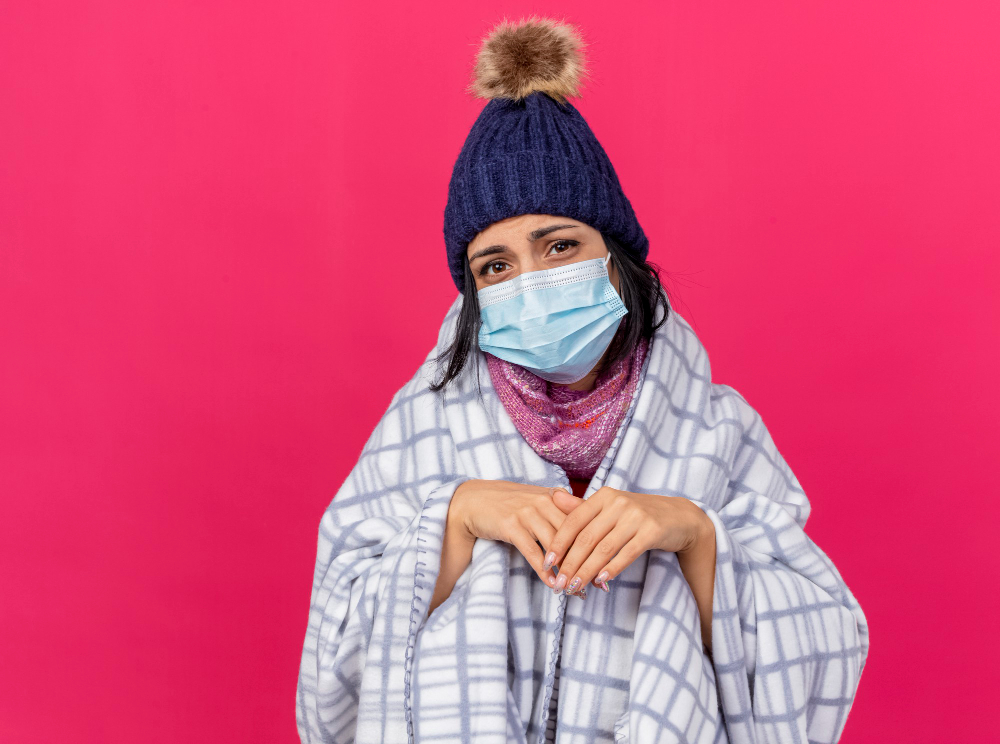
Winter related infection refers to illnesses that become more common during cold months. These include colds, flu, and chest infections. Because people spend more time indoors in winter, germs spread more easily. Also, cold air can weaken your body’s defenses. For these reasons, winter related infection is a concern for many families each year.
Common Symptoms of Winter Related Infections
Winter illness symptoms can vary. However, many infections share similar signs. Knowing these can help you spot a problem early. For example, you may notice:
Sometimes, stomach issues like nausea or diarrhea can also happen. But, these are less common.
Causes and Risk Factors
Many winter related infections are caused by viruses. For instance, the flu virus and cold viruses spread quickly in winter. Bacteria can also cause some infections, such as strep throat or pneumonia. Because cold weather keeps people indoors, germs pass from person to person more easily. In addition, dry air can dry out your nose and throat, making it easier for germs to enter.
Some people have a higher risk of getting sick in winter. These include:
According to the CDC, flu season usually peaks between December and February in many areas.
How Winter Related Infections Are Diagnosed
Doctors often diagnose winter related infection by asking about your symptoms. They may also check your temperature and listen to your chest. Sometimes, they use a throat swab or blood test to find the exact cause. For example, a rapid flu test can show if you have the flu virus. In rare cases, a chest X-ray may be needed if you have trouble breathing.
Effective Treatment Options
Treatment for winter related infection depends on the cause. Most mild infections, like colds, get better on their own. However, you can ease symptoms and feel better by:
For the flu, doctors may prescribe antiviral medicine if you see them early. If a bacterial infection is found, antibiotics may be needed. Always follow your doctor’s advice and finish all medicine as directed.
Prevention Tips and Healthy Winter Habits
Staying healthy in winter is possible. You can lower your risk of winter related infection by following these tips:
According to the World Health Organization, vaccines are one of the best ways to prevent serious winter infections.
When to See a Doctor
Most winter infections are mild. However, you should see a doctor if you:
For young children, older adults, or people with health problems, it is best to seek help early. Quick treatment can prevent serious problems.
Conclusion
Winter related infection is common but often mild. Still, knowing the symptoms and taking steps to prevent illness can keep you and your family healthy. If you have concerns or symptoms that worry you, consult a healthcare professional for personalized advice on winter related infections.